
The cost of being a woman within this age bracket is enormous. Young women are at risk of socioeconomic and cultural obstacles, most notably high unemployment rates, restrictive patriarchal norms, and systemic gender-based violence (GBV).
Women within this age bracket constitute the highest statistics in terms of out-of-school, early marriage, financial constraints, and cultural biases that prioritize boys’ education over girls’ education.
Women spend significantly more time on unpaid care work, such as fetching water and doing 70% of household chores.
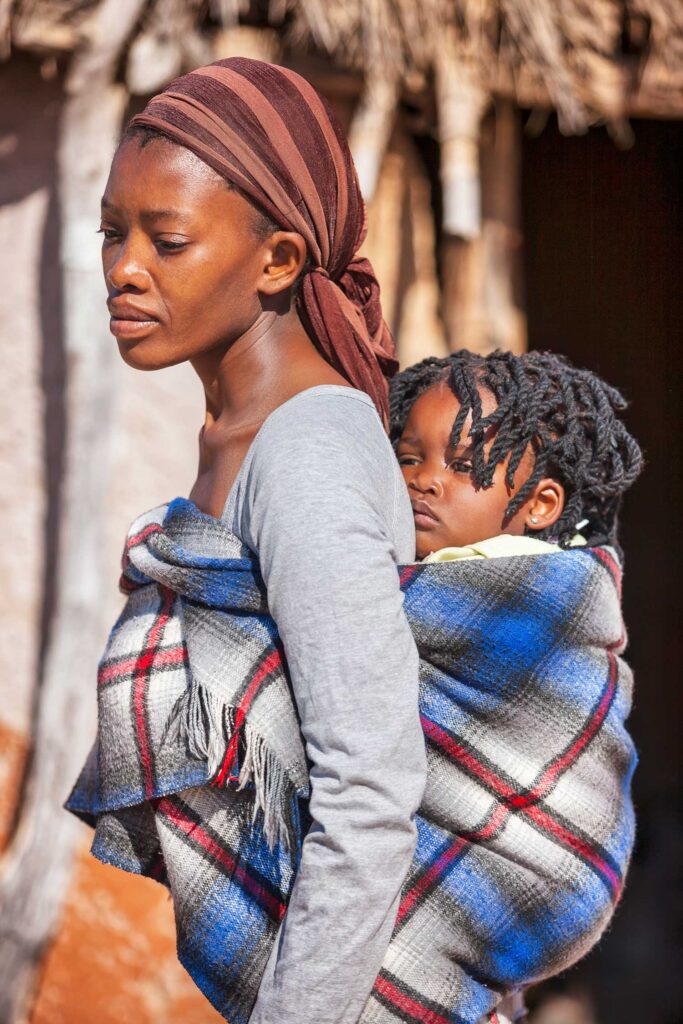
In poorly developed local economies, women often cover long distances bearing heavy loads, often while also carrying children on their backs.
In Nigeria and most parts of Africa, they live in a world of unequal opportunities. Women with no male children are sometimes ostracised by family and communities and subsequently face higher rates of intimate partner violence and increased vulnerability to HIV.
There is a need to empower women with skills and to provide opportunities for their economic independence.